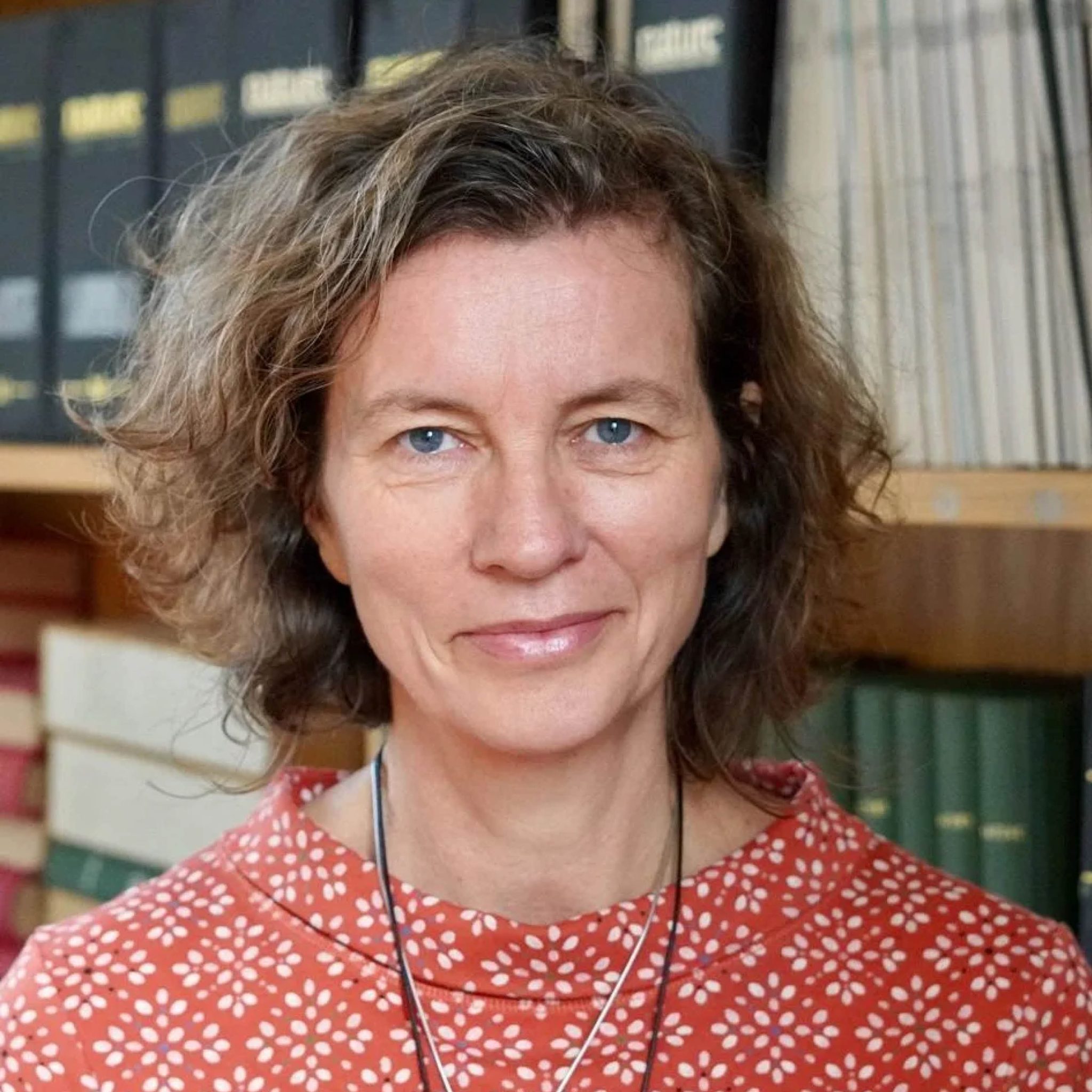
Prof. Sassy Moluneux
Principal Investigator
Collaborations
Videos
Bio
Sassy is a Professor in Global Health at the University of Oxford, and a senior researcher at the KEMRI-Wellcome Trust Research Programme in Kenya. She is a multidisciplinary researcher with a background in human geography and behavioural studies. Her current main research areas span health policy and systems research (system governance, financing, and responsiveness to patients and publics) and empirical ethics, including the everyday ethics of frontline health provision and of conducting studies in low income settings. Sassy sits in leadership positions in several international networks, including the Resilience Network, the Ethics Thematic Working Group in Health Systems Global, and – until recently – RINGS, a partnership to foster gender and ethics analysis in health systems research and practice. Sassy lived in Kenya for 28 years, returning to the UK in 2020.
See moreCurrent Work
Cross-cutting areas of interest include a) producing new thinking, evidence and recommendations around vulnerability and agency among research participants and communities, and researchers responsibilities in these contexts; and b) initiatives aimed at strengthening accountability processes in biomedical research and health delivery in sub-Saharan Africa. She also supports strategic planning around ethical issues that emerge during research across the KEMRI-Wellcome Trust programme in Kenya, and contributes to social science, health systems research and research ethics training at the centre and internationally.
Sassy has collaborators all over the world, including those that are part of the following networks she play a central role in:
• the GLOBAL HEALTH BIOETHICS NETWORK (GHBN) (community engagement/ethics research in UK, Kenya, Vietnam, Thailand, Malawi and South Africa)
• the EVERYDAY HEALTH SYSTEMS RESILIENCE NETWORK (EHSR) (research in Kenya and South Africa)
• the ETHICS AND JUSTICE thematic working group of Health Systems Global.
• REBUILD for RESILIENCE (R4R; health systems research in Sierra Leone, Myanmar, Nepal, and Lebanon);
• Recovery International with COVID-19 treatment trials recruiting in Vietnam, Indonesia, Nepal, Ghana, South Africa and India
• African Population Cohorts Consortium (APCC), bringing together scientists from 51 African countries
Sassy also serves in the following committee roles
• Co-chair – WHO/TDR Research for Implementation Scientific Working Group
• Co-chair - Independent Advisory Group - Hospital management in Malawi (NIHR health systems management)
• Co-chair - Ethics thematic working group for Health Systems Global
• Member – Interview committee for early career research awards, Wellcome Trust.
• Member – WHO/TDR Intervention and Implementation Research Scientific & Technical Advisory Committee
• Member - SARETI (South African Research Ethics Training Institute) International Advisory Board
• Member – Consortium Advisory Group - ReBUILD for Resilience (DfID funded health systems consortium)
• Member – Independent Advisory Committee – Rebuild for Resilience (R4R; FCDO funded health systems research consortium)
• Member – Steering committee - REDRESS: Reducing the Burden of Severe Stigmatising Skin Diseases (NIHR)
Recent publications
(Un)intended consequences: a social sciences stocktake of a decade of Global Action Plan-inspired antimicrobial governance.
Kirchhelle, C., Alas Portillo, M. Y., Davis, M. D. M., Doron, A., Dreser, A., Fortané, N., Haddad, C., Hinchliffe, S., Kariuki, S., Lewycka, S., Molyneux, S., Moreno Lozano, C., Mutua, E., Okeke, I. N., Zhang Betancourt, M., Chandler, C. I. R.
Lancet Microbe, (2026). :101315
Support for the wellbeing of frontline healthcare workers should be incorporated in health emergency preparedness planning.
McNeil, K., Nzekwu, S., Gilson, L., Hinga, A., Oluoch, D., Zhao, Y., Molyneux, S.
Commun Med (Lond), (2026). 6:31
'We cannot just keep it in our palm': A policy analysis of the integration of the case management of neglected tropical diseases into the health system of Liberia.
Wickenden, A., Dean, L., Molyneux, S., Godwin-Akpan, T. G., Kollie, K. K., Phillip, M., Zaizay, Z. F., Rogers, E., van der Grinten, E., Biritwum, N. K., Theobald, S.
PLOS Glob Public Health, (2025). 5:e0004328
Mapping key issues and useful theory to address remaining ethical, practical and political challenges in participatory research in health.
Vincent, R., Harris, J., Loewenson, R., Van der Westhuizen, H. M., Black, G., Wong, G., Molyneux, S.
Wellcome Open Res, (2025). 10:412
Beyond survival: The impact of birth complications on postpartum wellbeing for mothers, babies, and households in Kenya.
Subramanian, L., Oluoch, D., Maina, M., Mutua, E., Bobanski, L., Canfora, M., Jepkosgei, J., Jepkosgei, J., Karingu, P., Chesang, C., Maluni, J., Dannin, S., Eum, K. D., English, M., Karlage, A., Makokha, F., Kimutai, D., Fondo, K., Lubanga, D., Semrau, K. E. A., Tuller, D. E., Molyneux, S., Marx Delaney, M.
PLOS Glob Public Health, (2025). 5:e0004845
Prof. Sassy Moluneux
Principal Investigator
Biography
Sassy is a Professor in Global Health at the University of Oxford, and a senior researcher at the KEMRI-Wellcome Trust Research Programme in Kenya. She is a multidisciplinary researcher with a background in human geography and behavioural studies. Her current main research areas span health policy and systems research (system governance, financing, and responsiveness to patients and publics) and empirical ethics, including the everyday ethics of frontline health provision and of conducting studies in low income settings. Sassy sits in leadership positions in several international networks, including the Resilience Network, the Ethics Thematic Working Group in Health Systems Global, and – until recently – RINGS, a partnership to foster gender and ethics analysis in health systems research and practice. Sassy lived in Kenya for 28 years, returning to the UK in 2020.
See moreCurrent Work
Cross-cutting areas of interest include a) producing new thinking, evidence and recommendations around vulnerability and agency among research participants and communities, and researchers responsibilities in these contexts; and b) initiatives aimed at strengthening accountability processes in biomedical research and health delivery in sub-Saharan Africa. She also supports strategic planning around ethical issues that emerge during research across the KEMRI-Wellcome Trust programme in Kenya, and contributes to social science, health systems research and research ethics training at the centre and internationally.
Sassy has collaborators all over the world, including those that are part of the following networks she play a central role in:
• the GLOBAL HEALTH BIOETHICS NETWORK (GHBN) (community engagement/ethics research in UK, Kenya, Vietnam, Thailand, Malawi and South Africa)
• the EVERYDAY HEALTH SYSTEMS RESILIENCE NETWORK (EHSR) (research in Kenya and South Africa)
• the ETHICS AND JUSTICE thematic working group of Health Systems Global.
• REBUILD for RESILIENCE (R4R; health systems research in Sierra Leone, Myanmar, Nepal, and Lebanon);
• Recovery International with COVID-19 treatment trials recruiting in Vietnam, Indonesia, Nepal, Ghana, South Africa and India
• African Population Cohorts Consortium (APCC), bringing together scientists from 51 African countries
Sassy also serves in the following committee roles
• Co-chair – WHO/TDR Research for Implementation Scientific Working Group
• Co-chair - Independent Advisory Group - Hospital management in Malawi (NIHR health systems management)
• Co-chair - Ethics thematic working group for Health Systems Global
• Member – Interview committee for early career research awards, Wellcome Trust.
• Member – WHO/TDR Intervention and Implementation Research Scientific & Technical Advisory Committee
• Member - SARETI (South African Research Ethics Training Institute) International Advisory Board
• Member – Consortium Advisory Group - ReBUILD for Resilience (DfID funded health systems consortium)
• Member – Independent Advisory Committee – Rebuild for Resilience (R4R; FCDO funded health systems research consortium)
• Member – Steering committee - REDRESS: Reducing the Burden of Severe Stigmatising Skin Diseases (NIHR)
Collaborations
Project Research
No active details yet
Videos
(Un)intended consequences: a social sciences stocktake of a decade of Global Action Plan-inspired antimicrobial governance.
Kirchhelle, C., Alas Portillo, M. Y., Davis, M. D. M., Doron, A., Dreser, A., Fortané, N., Haddad, C., Hinchliffe, S., Kariuki, S., Lewycka, S., Molyneux, S., Moreno Lozano, C., Mutua, E., Okeke, I. N., Zhang Betancourt, M., Chandler, C. I. R.
Lancet Microbe, (2026). :101315
Support for the wellbeing of frontline healthcare workers should be incorporated in health emergency preparedness planning.
McNeil, K., Nzekwu, S., Gilson, L., Hinga, A., Oluoch, D., Zhao, Y., Molyneux, S.
Commun Med (Lond), (2026). 6:31
'We cannot just keep it in our palm': A policy analysis of the integration of the case management of neglected tropical diseases into the health system of Liberia.
Wickenden, A., Dean, L., Molyneux, S., Godwin-Akpan, T. G., Kollie, K. K., Phillip, M., Zaizay, Z. F., Rogers, E., van der Grinten, E., Biritwum, N. K., Theobald, S.
PLOS Glob Public Health, (2025). 5:e0004328
Mapping key issues and useful theory to address remaining ethical, practical and political challenges in participatory research in health.
Vincent, R., Harris, J., Loewenson, R., Van der Westhuizen, H. M., Black, G., Wong, G., Molyneux, S.
Wellcome Open Res, (2025). 10:412
Beyond survival: The impact of birth complications on postpartum wellbeing for mothers, babies, and households in Kenya.
Subramanian, L., Oluoch, D., Maina, M., Mutua, E., Bobanski, L., Canfora, M., Jepkosgei, J., Jepkosgei, J., Karingu, P., Chesang, C., Maluni, J., Dannin, S., Eum, K. D., English, M., Karlage, A., Makokha, F., Kimutai, D., Fondo, K., Lubanga, D., Semrau, K. E. A., Tuller, D. E., Molyneux, S., Marx Delaney, M.
PLOS Glob Public Health, (2025). 5:e0004845
Prof. Sassy Moluneux 9
Principal Investigator
(Un)intended consequences: a social sciences stocktake of a decade of Global Action Plan-inspired antimicrobial governance.
Kirchhelle, C., Alas Portillo, M. Y., Davis, M. D. M., Doron, A., Dreser, A., Fortané, N., Haddad, C., Hinchliffe, S., Kariuki, S., Lewycka, S., Molyneux, S., Moreno Lozano, C., Mutua, E., Okeke, I. N., Zhang Betancourt, M., Chandler, C. I. R.
Lancet Microbe, (2026). :101315
Support for the wellbeing of frontline healthcare workers should be incorporated in health emergency preparedness planning.
McNeil, K., Nzekwu, S., Gilson, L., Hinga, A., Oluoch, D., Zhao, Y., Molyneux, S.
Commun Med (Lond), (2026). 6:31
'We cannot just keep it in our palm': A policy analysis of the integration of the case management of neglected tropical diseases into the health system of Liberia.
Wickenden, A., Dean, L., Molyneux, S., Godwin-Akpan, T. G., Kollie, K. K., Phillip, M., Zaizay, Z. F., Rogers, E., van der Grinten, E., Biritwum, N. K., Theobald, S.
PLOS Glob Public Health, (2025). 5:e0004328
Mapping key issues and useful theory to address remaining ethical, practical and political challenges in participatory research in health.
Vincent, R., Harris, J., Loewenson, R., Van der Westhuizen, H. M., Black, G., Wong, G., Molyneux, S.
Wellcome Open Res, (2025). 10:412
Beyond survival: The impact of birth complications on postpartum wellbeing for mothers, babies, and households in Kenya.
Subramanian, L., Oluoch, D., Maina, M., Mutua, E., Bobanski, L., Canfora, M., Jepkosgei, J., Jepkosgei, J., Karingu, P., Chesang, C., Maluni, J., Dannin, S., Eum, K. D., English, M., Karlage, A., Makokha, F., Kimutai, D., Fondo, K., Lubanga, D., Semrau, K. E. A., Tuller, D. E., Molyneux, S., Marx Delaney, M.
PLOS Glob Public Health, (2025). 5:e0004845
[vc_row][vc_column][vc_empty_space height=”20px”][/vc_column][/vc_row][vc_row css=”.vc_custom_1635162587869{margin-right: 50px !important;}”][vc_column width=”1/2″][vc_single_image image=”6144″ img_size=”full” alignment=”center”][/vc_column][vc_column width=”1/2″][vc_column_text]We have built up a strong programme of work in health systems research and research ethics; including in-depth work in Coastal Kenya, large scale cross Kenya comparative studies, and core roles in international collaborative research projects, research networks and meetings. Combining research themes, methodological approaches and collaborative activities has allowed us to balance depth with breadth, local specificity with (inter)national transferability, and research outputs with policy maker and practitioner needs. Through interweaving capacity strengthening into all activities, we have developed a world class group of social scientists. The department provides strategic direction to the Community Engagement Platform, and supports work across the programme, supporting research ethics and social science aspects of projects led by other departments. We work closely with the group in Nairobi on Health Systems Research, contributing to research focused on health services, economics, policy and on the management environment of health facilities.[/vc_column_text][/vc_column][/vc_row]