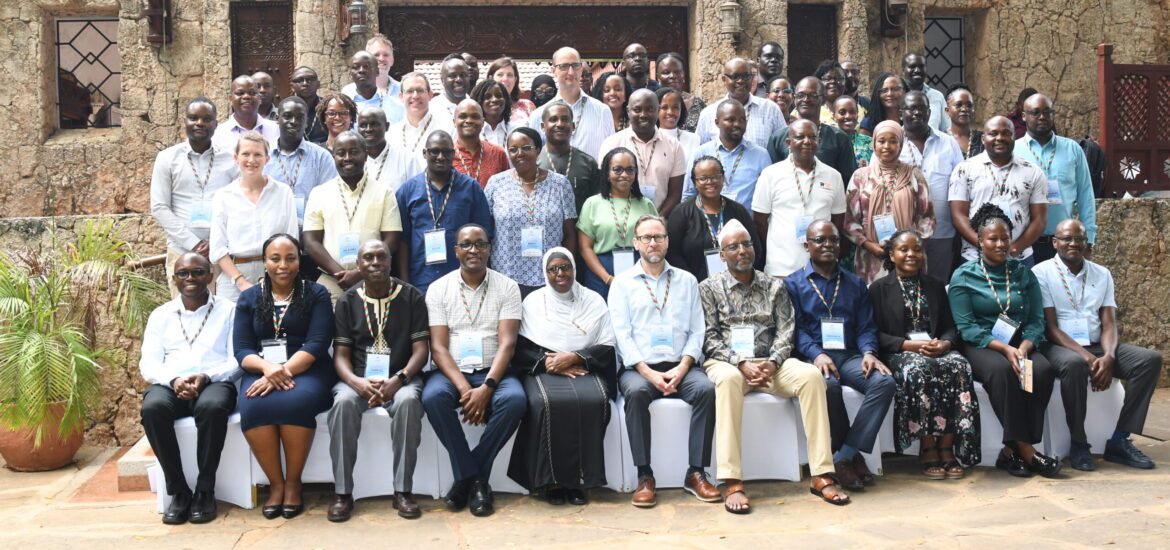
AMR Kenya 2026 Conference: Working Together to Tackle Antimicrobial Resistance
The AMR Kenya 2026 Conference, held on 21–22 January 2026 at Serena Beach Resort & Spa in Mombasa, brought together experts, policymakers, funders, researchers, and community leaders to co-create practical, locally relevant solutions to antimicrobial resistance (AMR) in Kenya and across the region. Convened under the theme “Working Together to Tackle AMR in Kenya,” the conference addressed the growing threat that AMR poses to human, animal, and environmental health and the urgent need for coordinated, multisectoral action.
Discussions throughout the conference emphasized that effective AMR control depends on strong, well-functioning systems. Participants highlighted the importance of robust data and governance, embedded antimicrobial stewardship, and access to diagnostics that translate evidence into clinical and policy action. Leadership, accountability, and behaviour change were repeatedly identified as being just as critical as technological innovation in addressing AMR sustainably.
Interactive breakout sessions focused on strengthening laboratories and surveillance, the role of vaccines in controlling respiratory pathogens and reducing AMR burden, One Health collaboration across sectors, and antimicrobial stewardship and infection prevention and control in hospital settings. These sessions were designed to move beyond discussion, generating practical recommendations and action plans to address key gaps and inform future commitments.
The urgency of these conversations was underscored by the scale of the challenge facing Kenya and the continent. AMR is emerging as a major cause of mortality in Africa, linked to an estimated 250,000 deaths in 2019, driven by high infectious disease burden, misuse and overuse of antibiotics, limited diagnostic capacity, and gaps in infection prevention and control. While Kenya has developed a National Action Plan aligned with global and continental frameworks, implementation remains uneven, with persistent challenges in laboratory capacity, data sharing, and cross-sector coordination.
The conference concluded with a strong call to action: Africa’s response to antimicrobial resistance must be built locally, using African data, leadership, and systems, and strengthened through sustained partnerships and financing. AMR Kenya 2026 reaffirmed the need for collective responsibility and long-term investment to safeguard the effectiveness of antimicrobials and protect public health for future generations.