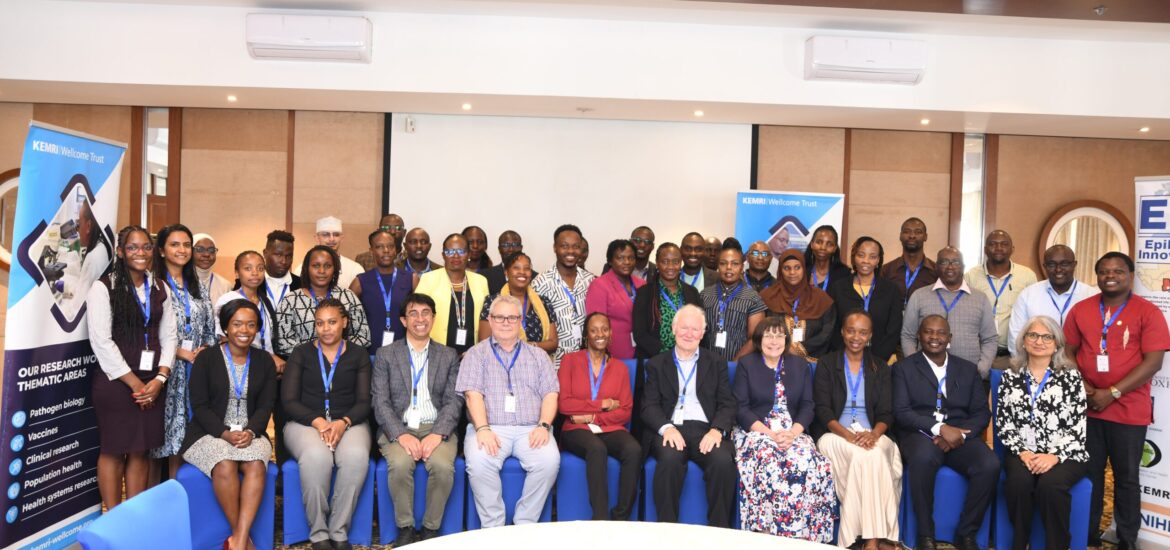
Advancing Epilepsy Care in Africa: Insights from the EPInA Dissemination Meeting in Nairobi
The Epilepsy Pathway Innovations in Africa (EPInA) team recently convened a two-day dissemination meeting in Nairobi, bringing together key stakeholders to accelerate the implementation of the World Health Organization’s Intersectoral Global Action Plan (IGAP) on epilepsy and neurological health.
Implemented across Kilifi and Nairobi in Kenya, as well as in Ghana and Tanzania, the EPInA project continues to play a pivotal role in strengthening prevention strategies, improving diagnosis, and supporting treatment adherence. Through a combination of community engagement and digital innovation, the project is actively working to reduce stigma and expand access to quality neurological care across diverse settings.
The meeting was officially opened by Dr Mercy Karanja, Head of the Division of Mental Health, who underscored Kenya’s national commitment to addressing gaps within the health system. Her remarks set the tone for a collaborative dialogue focused on translating global frameworks into meaningful, local impact.
Grounding these discussions were powerful lived experiences shared by Nduta M’mbogori from the Parkinson’s Support Group Nairobi. Her words served as a poignant reminder of the human dimension behind policy and practice: “Awareness, awareness, awareness — that is where change begins. I decided to speak up for those who are voiceless.”
The meeting spotlighted actionable priorities, including improving access to treatment, strengthening workforce capacity, and advancing data-driven decision-making. Through expert panel discussions and interactive workshops, participants explored practical pathways for implementation, identifying key areas for immediate and long-term action.
Several critical messages emerged from these engagements. Epilepsy is common, treatable, and often preventable, yet stigma continues to pose a significant barrier to care. However, increased awareness has the power to transform lives and improve outcomes. Participants also emphasized that strengthening primary healthcare systems, investing in epilepsy services, and leveraging African-led evidence are essential to achieving the targets set out in the IGAP framework.
As the meeting concluded, a shared vision became clear: moving from evidence to action is essential in closing existing gaps, reducing stigma, and building stronger, more inclusive health systems across the continent.