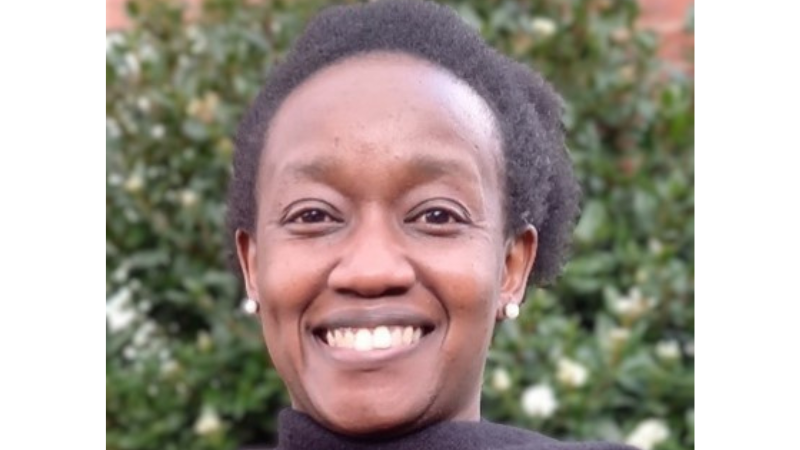
Dr. Helen Nabwera appointed as Head of clinical Research, KEMRI Wellcome Trust Research Programme
Dr. Helen Nabwera is a Paediatrician and Physician Scientist currently working in the Department of Paediatrics and Child Health and the Centre of Excellence in Women and Child Health at the Aga Khan University, Nairobi, Kenya. She is also a Senior Clinical Lecturer at the Liverpool School of Tropical Medicine and an honorary Consultant Paediatrician at the Alder Hey Children’s Hospital in Liverpool. She has over two decades of clinical research experience from sub-Saharan Africa and the UK.
Helen is an awardee of the prestigious UK Medical Research Council (MRC)/Foreign Commonwealth Development Office, African Research Leader (2020). Her research focuses on evaluating interventions to improve growth and neurodevelopmental outcomes among small vulnerable newborns in impoverished communities in sub-Saharan Africa. This involves co-designing and testing innovative strategies that integrate early child nutrition with maternal well-being, among those hospitalised and post-discharge, to reduce morbidity and mortality among these at-risk infants.
Helen qualified from the University of Nottingham Medical School and did her postgraduate clinical training in the East and West Midlands Deaneries of the UK. She was awarded a MRC Career Development Fellowship (2012-2015). During her fellowship, she managed a rural primary health care facility at MRC Unit, The Gambia’s rural field station in Keneba, and undertook research on growth faltering in early childhood in the rural communities. She has a PhD from the London School of Hygiene and Tropical Medicine (2017) and a Diploma in Tropical Medicine and Hygiene from LSTM (Distinction-2005).
She has over 55 publications in peer-reviewed journals and has co-authored six book chapters in the fields of infant feeding, paediatric infections and early childhood growth.
Helen is passionate about mentoring child health practitioners in Africa to use evidence-based practices and soft skills to optimise the care that is delivered to children and their families. Also to use evidence and lived experiences to advocate for resources where the limitations render it extremely challenging to meet the requirements for person-centred care.